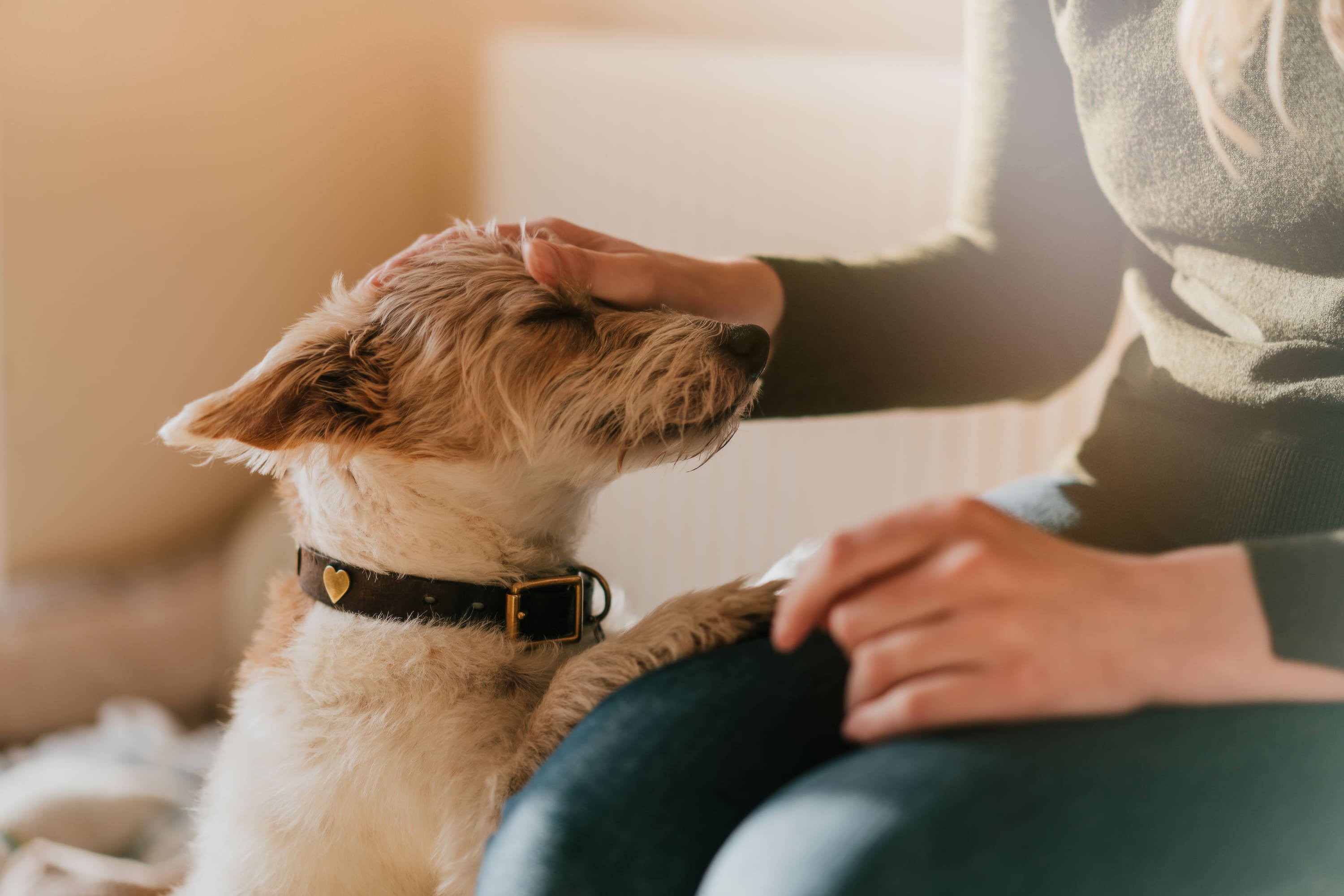

Winter brings certain challenges, including to our dog’s skin and coat care. So, there are a few things that you may need to do differently as the temperatures drop.
We’re going to explore some things to be aware of at this time of year, as well as a few tweaks to your pet’s grooming regime. Read on to find vet-approved tips on winter dog coat care.
What are the winter challenges, and how do they affect dog coat care?
Central heating
While it does an excellent job at keeping us toasty, it’s well known that central heating can have a drying effect on our skin. Well, the same is true for our dogs. Central heating dries the air in our homes, reducing the humidity. This can cause skin to become dry, flaky and irritated, especially in dogs with sensitive skin.
Snow and ice
Snow gets easily caught in long fur and feathery areas, forming uncomfortable balls and clumps. During icy weather, rock salt is often spread on pavements and roads. This can get stuck on your pet’s paws, leading to cracked pads or irritation. Plus, dogs that accidentally ingest salt from their paws while grooming could be at risk of toxicity.
Dogs regularly wearing a coat or jacket against the chill can develop sores if it is not a comfortable fit.
Mud, mud and more mud
Wet weather means plenty of mud! This results in damp, dirty dogs that need more frequent bathing. Bathing your dog too often or using harsh shampoos can strip oils from their coat.
Moulting
Most dogs need regularly brushing as they moult all year round, with a heavier shed in Spring and Autumn. Some owners can get a bit lax with brushing at this time of year, especially when they’re distracted by winter festivities. This can lead to tangled fur or even painful mats developing.
Indoor allergens
Spending more time indoors can lead to increased exposure to indoor allergens such as house dust mites and other pets’ dander. So, dogs are sensitive to these and may experience a flare in their allergy symptoms. This can include increased itchiness, inflamed skin and hair loss.
Parasites – an all-year-round problem
Warmer winters and central heating mean that parasites can thrive all year round - fleas are no longer just a summer problem! Unfortunately, many pet owners let their guard down and forget to treat their pets or inspect their coats. This can lead to a parasite problem quickly getting out of hand!
Winter dog coat care – 7 things to do
Each dog’s grooming regime will differ slightly depending on their individual needs, but here are a few things that most pets will benefit from in the winter -
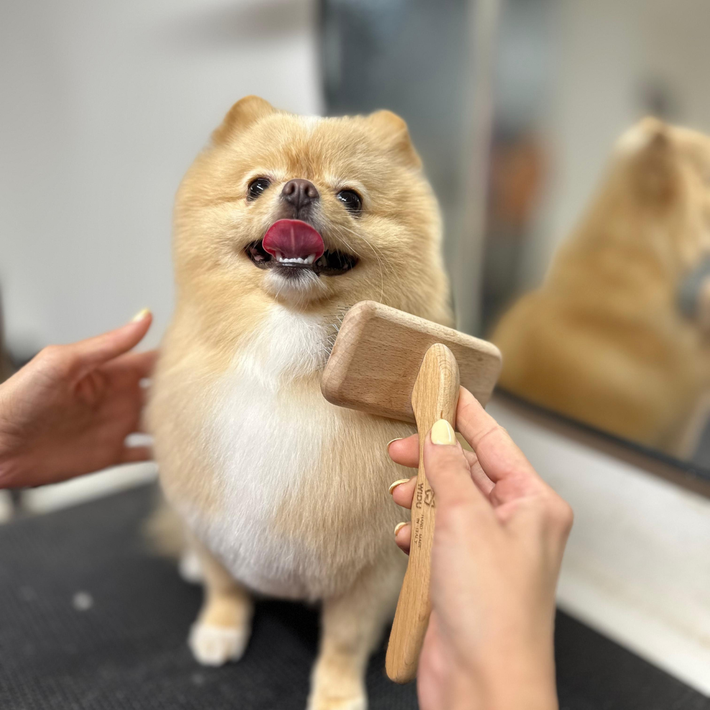
1. Regular brushing
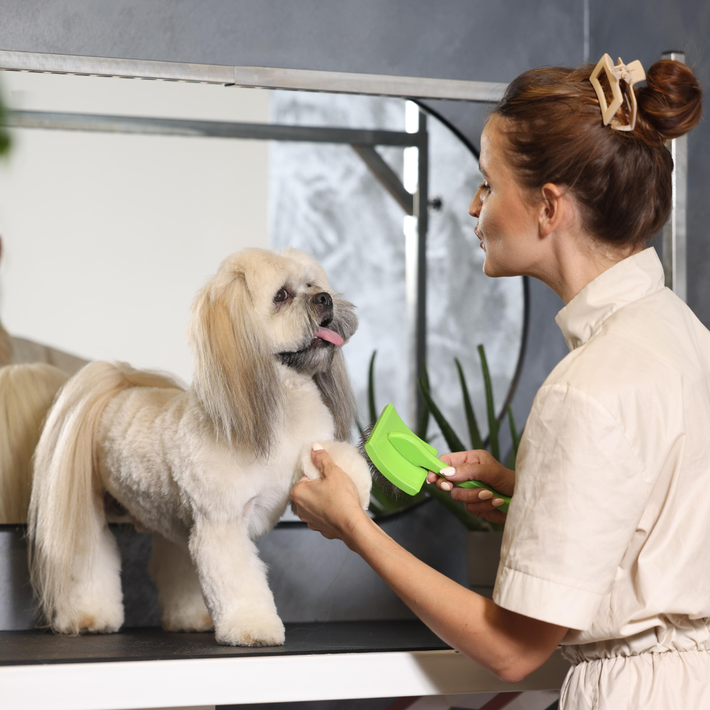
Continuing to brush your pet regularly through the winter months will keep their coat in good condition and prevent mats from forming. Plus, it will reduce the amount of hair shed into your home!
2. Rinsing paws after walks
It’s important to rinse your dog’s paws after a winter walk. This will remove rock salt or any chemicals like antifreeze, as well as mud and dirt. Pat your dog’s paws dry afterwards and inspect them for any sores or irritation. Use paw protect balm after rinsing.
3. Checking for hot spots of rubbing under your dog’s jacket or jumper
If your dog regularly wears a jacket or coat, check the fit regularly and inspect their skin for any developing rubbed areas or sores.
4. Moisturise as needed
Some dogs may benefit from a moisturising paw balm, especially if their pads are prone to cracks. You may also want to use a nose balm if your dog suffers from a dry, crusty nose.
5. Supplement with extra EFAs
Essential fatty acids (EFA’s), like omega-3, help to maintain skin and coat health, as well as reducing inflammation. Many pets could benefit from EFA supplementation but particularly if they are prone to dry skin or suffer from allergies.
6. Winter-friendly trims
Consider giving your pet a winter-friendly trim! By keeping feathery legs and paws neatly clipped, you will reduce the amount of snow and mud that gets caught there.
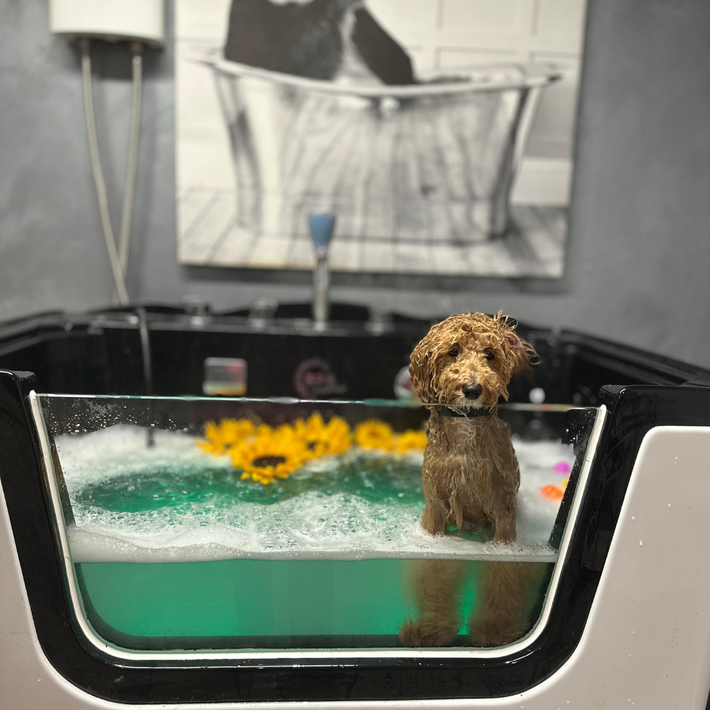
7. Don’t overdo the shampoo baths
Muddy, damp dogs mean more baths! Choose your shampoo carefully, so that you are using something gentle and skin friendly. For some washes, consider skipping the shampoo altogether. This will reduce the amount of natural oils removed from your pet’s coat.
Summary
Winter dog coat care is important. Hopefully, by following our tips, you will keep your dog comfortable and looking their best at this time of year.