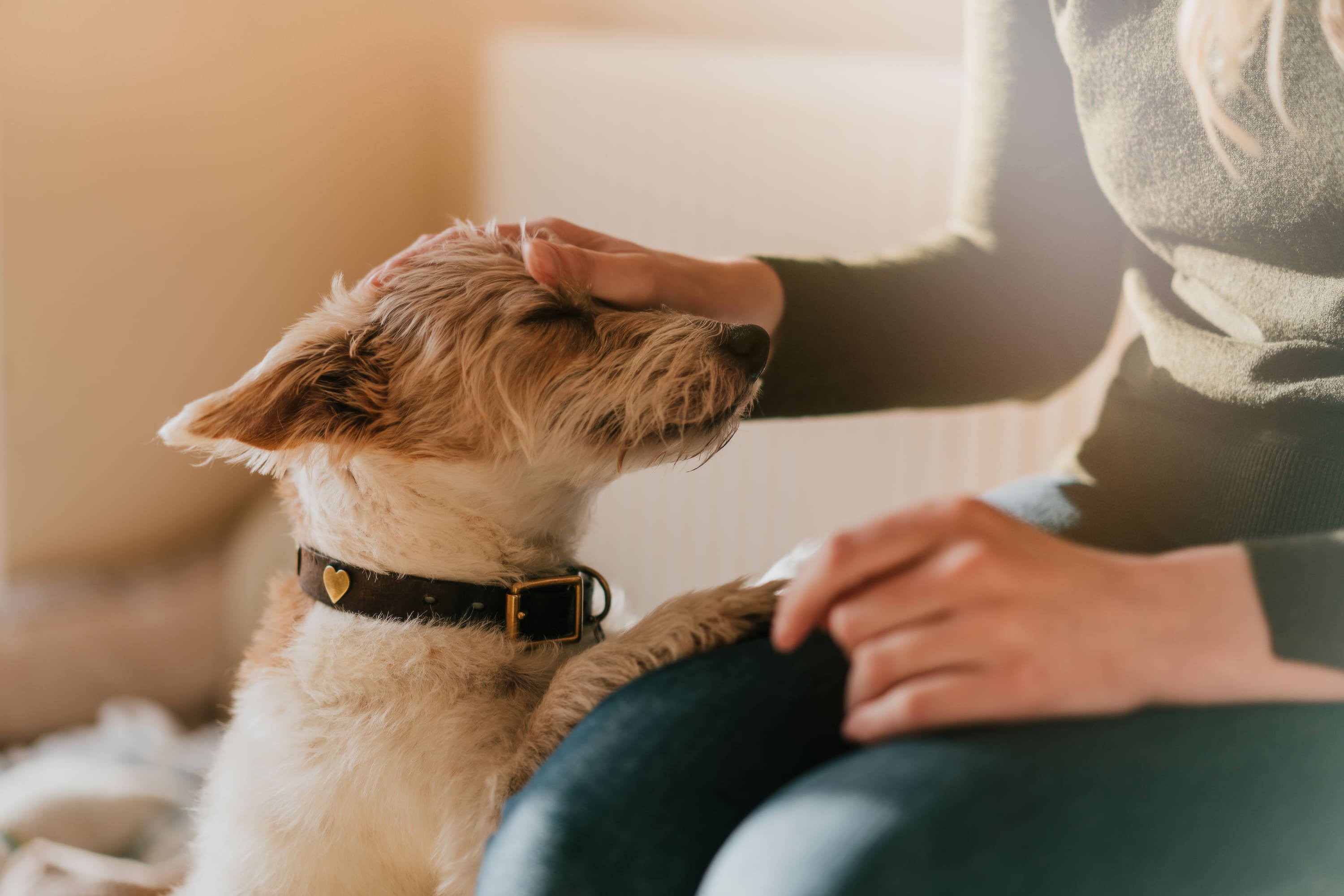

Most dog owners expect to see a bit of loose hair around their homes, but when does normal shedding turn into something more serious? Dog hair loss is a common problem, and lots of pets come to me with this issue. The problem is that there are many reasons why it occurs, so the answer isn’t always straightforward.
Let’s explore the differences between normal dog moulting and alopecia (fur loss), and what you can do to help your pet.
Normal dog moulting
Most dogs moult fur in moderate amounts all year round, although there are some exceptions, including low-shedding breeds like Poodles or hairless dogs like the Chinese crested.
The exact amount of hair shed will vary on breed, as well as the time of year. It’s not uncommon for dogs to experience a heavier shed around Spring and Autumn time. This can mean lots of extra hair lying around!
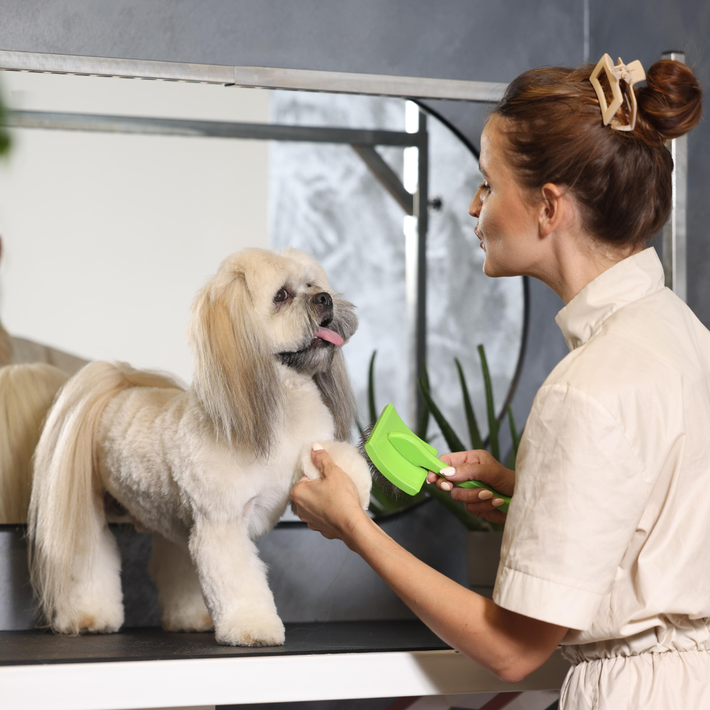
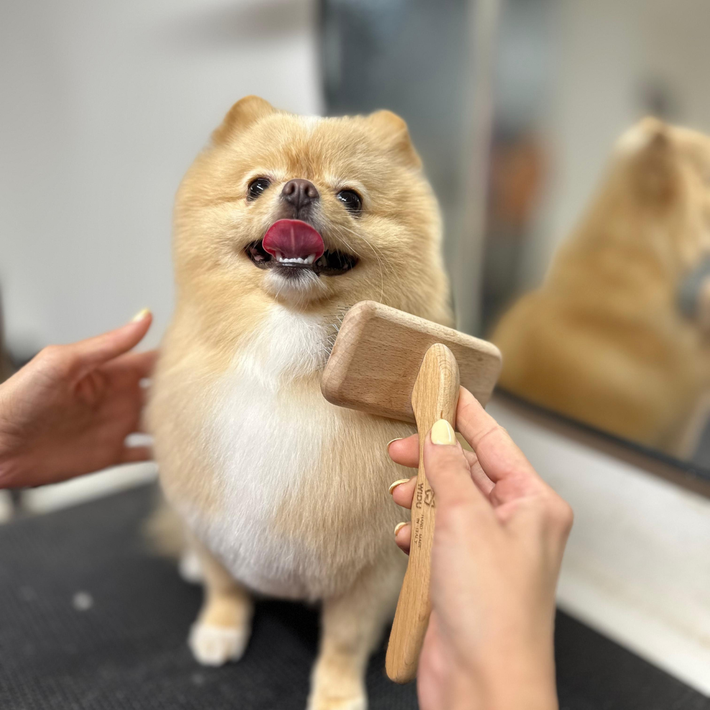
During normal moulting, your dog’s coat will still be in good condition, with no patchy hair loss or skin inflammation. Your dog should also be comfortable, with no itchiness or behavioural changes. Regular brushing is recommended throughout the year for most dogs, to help remove these loose hairs and keep their coat looking at its best.
Abnormal dog hair loss
When a dog is losing unusual amounts of hair, also known as alopecia, you may notice a few signs, including -
● Bald patches (or areas where the fur seems much thinner than usual)
● Scabs, sores or reddened skin
● Increased itchiness or paw licking
● An increased odour
● Large amounts of dander, scurf or grease in the coat
● A dull, dry coat
● Alterations to your pet's behaviour, such as a change in thirst or appetite
Causes of abnormal dog hair loss
These are just examples of some of the most common causes of hair loss that I routinely diagnose, but others also exist –
● Parasites - fleas and mange mites can cause itchiness and hair loss.
● Allergies – an inflammatory reaction to an environmental allergen, like a grass pollen or house dust mites. I also see allergies to certain food proteins, most commonly chicken, beef and dairy products.
● Hormonal – certain endocrine (hormonal) disorders will cause changes to your pet’s coat. These include Cushing’s disease (hyperadrenocorticism), hyperthyroidism and sex hormone imbalances.
● Bacterial infections – bacterial skin infections (pyoderma) can cause hair loss and skin inflammation.
● Fungal infections – Ringworm (dermatophytosis) can cause hair loss and ring-like lesions on your pet, whereas a yeast called Malassezia is often secondary to other issues like allergies.
● Autoimmune disease – The body’s own immune system may cause problems, with pemphigus foliaceus being an example of this.
● Canine recurrent flank alopecia – a condition that causes some breeds to lose fur symmetrically along their sides. This is common in Boxers, English Bulldogs and Rhodesian Ridgebacks.
● Pattern baldness – Some breeds have symmetrically alopecia on the sides of their heads, chests and abdomen due to impaired hair cycles. This mainly affects Dachshunds, Boston Terriers and Chihuahuas.
Treatment for hair loss in dogs
An official diagnosis from a vet is recommended for treating your dog’s hair loss properly. The treatment will vary depending on the underlying cause.
To reach a diagnosis, your vet will need to examine your dog and talk to you about their symptoms. They may take samples from the skin and fur for analysis. Blood tests can also be helpful, especially if a hormonal issue is suspected.
Treatment may include –
● Anti-parasite products
● Medicated shampoos
● Medication to reduce itchiness, such as monoclonal antibodies, corticosteroids, or other drugs.
● Other medications, such as antibiotics or antifungal medications
● A change of diet, especially when food allergies are suspected
● Supplementation with essential fatty acids, which may improve general skin and coat quality
For some dogs, a short course of treatment is all that is required, whereas others will need long term management and may continue to experience intermittent flare ups of their problem, e.g. skin allergies.
Note that some conditions like seasonal flank alopecia and pattern baldness, may not be treatable, but dogs with this type of hair loss are usually comfortable with no itchiness.